Wednesday, October 28, 2009

Canadian Health & Lifestyle magazine –


Canadian Health & Lifestyle magazine provides valuable topics on health to contribute to a healthy lifestyle that busy Canadians are seeking. Canadian Health & Lifestyle is published 4 times a year with a total distribution of 1,600,000 nationally. Working with the Creative Director I was responsible for the layout and production of this issue.
This work was completed while at Maximum 60 Design Communications.

Monday, October 12, 2009

Sheryl Crow: Life After Breast Cancer, Motherhood, and All-Natural Anti-Aging


By Jancee Dunn

From Health magazine
Sheryl Crow is one of music’s biggest talents, but you’d never know it talking to her. The mom of 2-year-old Wyatt is more likely to chat about motherhood than about being a rock star (even President Obama has her music on his iPod). Despite her fame, she’s still the same down-to-earth girl from Missouri.
Not that Sheryl, 47, is afraid of the spotlight—she’s been an advocate for a ton of causes, including finding a cure for breast cancer, which she was involved with even before her own cancer diagnosis in 2006. (She’s now cancer-free.)

And while she’s always been a fitness fanatic and sensible eater, Sheryl’s now even more mindful of preserving her health. In 2007, she opted for a less stressful life and moved to a farm outside of Nashville, where she lives with Wyatt.
This month, Sheryl releases a deluxe two-disc edition of her debut album Tuesday Night Music Club, stuffed with goodies like a bonus DVD, rarities, and B-sides. At the end of a busy day, she took questions submitted by Health readers. (“Great question!” she kept exclaiming, so kudos to you!)
Q: I’m a breast cancer survivor, and I’m wondering, are you doing anything special with your diet to stay healthy and cancer-free? —Sherry Lebed Davis, Lynnwood, Wash.
Sheryl: When I first got diagnosed, I went to this great nutritionist who specializes in disease prevention and well-being, and I still incorporate her tips like eating omega-3s—I eat salmon or other fish at least three times a week.
I eat a lot of walnuts, almonds, colorful vegetables, and prunes, which get such a bad rap but are loaded with antioxidants. I also drink pomegranate juice and keep a vat of tomato soup around or some kind of tomato sauce, because it has lycopene. Also, spices like cinnamon, which I throw into my cereal.
And one big thing I learned was that so much of wellness depends on your body getting rid of waste. So I eat a lot of Fiber One, which has 14 grams of fiber per serving.

Saturday, October 10, 2009

Calcium from Vegetables

• 4 ounces firm tofu with calcium sulfate: 775mg
• 4 ounces regular tofu with calcium sulfate: 397mg
• 1 1/4 cups cooked collard greens: 280mg
•1 3/4 cups cooked boy choy: 277mg
• 2 1/2 cups cooked mustard greens: 259mg
•2 3/4 cups cooked kale: 257mg
•4 cups cooked broccoli: 250mg
• 4 ounces extra firm tofu with nigari: 198mg

Calcium Confidential: Secret Sources


Here's how to get enough calcium if you don't do dairy.

Rachel Quinlivan, R.D.
Photographs of well-known celebs and athletes with milk mustaches are one way the milk industry encourages calcium-deficient Americans to beef up their intake by drinking three glasses of milk per day. Why? Calcium is the mineral most critical to achieving and maintaining strong, healthy bones and minimizing bone loss later in life, and milk and other dairy products are often promoted as the preferred source. It makes sense. Nutrient-dense dairy products contain high concentrations of calcium: one 8-ounce glass of milk provides 256 milligrams of calcium, which is about one-fourth of the recommended daily intake. (Click here for more nutrient benefits of calcium.)
Calcium OptionsBut if you're lactose-intolerant, a vegan and don't eat dairy products, or simply want calcium options from sources other than dairy, there are other ways to get this important mineral. Studies show that you can maintain bone health with a diet in which calcium is obtained from non-dairy sources.

According to the U.S. Department of Agriculture, the calcium absorption from most foods, including dairy products and grains, is about the same. However, calcium may be more poorly absorbed from foods high in oxalic acid (spinach, sweet potatoes, and beans) or phytic acid (unleavened bread, raw beans, seeds, and nuts). These acids bind with calcium and prevent its absorption, but they don't prevent the absorption of calcium from other foods eaten at the same time. There are many plant-based sources that are well absorbed, such as soybeans , soynuts, bok choy, broccoli, collards, Chinese cabbage, kale, mustard greens, and okra. (Click here for more food sources of calcium.)
Getting EnoughBut vegetables alone may not be enough because the amount required to reach the adequate daily intake of 1,000 milligrams per day for adults (1,200mg for those 51 and older) set by the Institute of Medicine is not always practical for most Americans. The key is to combine vegetable sources with other non-dairy calcium-rich foods such as tofu made with calcium sulfate and calcium-fortified soymilk and juices. Be sure to look carefully at the nutrition label to verify that the tofu you are buying is made with calcium sulfate. Nigari (magnesium chloride) is another common coagulating agent used to make tofu but its calcium content is lower. (Click here for tofu recipes.)
You can also take calcium supplements to ensure that you're getting the recommended daily amount, but don't exceed 2,500 milligrams per day from both food and supplements. Excess intake can increase risk for some health problems like kidney stones.

The Perks: Health Benefits of Coffee


Get the latest information about the ways that drinking coffee can improve your health.

By: Laurie Herr
When it comes to life's necessities, many of us would say a good cup of coffee ranks pretty darned high – right up there with shelter, friends, and comfortable shoes. But there's more to love about your morning java than its alluring aroma or friendly kick. Once maligned (too much caffeine! the devil's brew!), coffee is now being praised as a kind of health food, thanks to its high level of disease-fighting antioxidants and other nutrients. In fact, the coffee bean's roasting process actually intensifies some of these compounds, making them more powerful. The bottom line? As long as you don't overdo it – stick to no more than two or three cups a day, and watch the calories in those fancy lattes – there's no reason not to indulge. Here are some of the ways coffee can make you feel better and even live longer – plus tasty ways to enjoy your joe. What Coffee Can Do For You1. Fight cancer. Recent studies suggest regular coffee drinking can reduce the risk of breast, liver, and colon cancer. In some cases, you don't even have to drink coffee to gain the benefits: Lotions containing caffeine from coffee and green tea have been found to prevent skin cancer. 2. Prevent diabetes. An 11-year study of 28,000 women in Iowa found that regular coffee drinkers had less risk of developing type 2 diabetes than non-drinkers. Heavy coffee drinkers (6 or more cups a day) are about half as likely to have diabetes as light coffee drinkers or those who don't drink coffee at all. 3. Help your heart. In a huge study that followed nearly 42,000 postmenopausal women for 15 years, researchers found that regular coffee consumption reduced the risk of heart disease. In another study that tracked 129,000 men and women for 20 years, those who drank several cups of coffee a day were 34 percent less likely to die from heart disease than non-coffee drinkers. Experts say coffee's antioxidants helps fight inflammation, a major risk factor for heart disease and stroke. 4. Protect against Parkinson's. Several studies show regular coffee drinkers are up to 80 percent less likely to develop the disease, compared to those who abstain. The more you drink, the lower your risk, some of those studies say. 5. Boost your mood. Feeling a little blue? A steaming cuppa joe could make you smile. Caffeine stimulates the production of dopamine, a brain chemical related to pleasure and motivation. Just take care not to overdo it – too much caffeine can cause anxiety and sleeplessness. 6. Zap a headache. While it's true coffee can trigger headaches in some people, it can also be a short-term cure for others. Researchers at the Diamond Headache Clinic in Chicago found that 200 milligrams of caffeine – about the amount in a cup of coffee – provided as much pain relief as 400 milligrams of ibuprofen and worked faster than the medication. 7. Fight cavities. Your morning mocha just may improve your smile. Scientists say coffee made from roasted coffee beans contains antibacterial properties, plus molecules that keep cavity-causing microorganisms from sticking to tooth enamel. 8. Keep you sharp. Caffeine revs up your metabolism, helping you stay focused and alert. Studies have also shown the stimulant improves short-term memory and may help protect against Alzheimer's disease. Of course, there are people who have health conditions that may be aggravated by caffeine or other substances in coffee. Coffee can increase heart rate and blood pressure, and, although the advice to avoid coffee during pregnancy is being debated, most health care professionals are still recommending that pregnant women avoid or limit coffee consumption. Consult a physician or a dietitian if you have questions about coffee intake and your health.

Thursday, October 8, 2009

Teen Dating: What You Need to Know About "Hooking Up"

Sorry, parents. Going steady is a thing of the past. Here's our guide to what teens are doing -- and how you should talk to them about it.
By Stephanie WatsonWebMD the Magazine - Feature
Reviewed by Brunilda Nazario, MD
Jessica Stephens (not her real name), a San Francisco mother of four, has heard the term "hooking up" among her teenage sons' friends, but she's just not sure what it means. "Does it mean they're having sex? Does it mean they're having oral sex?"
Teens use the expression hooking up (or "messing around" or "friends with benefits") to describe everything from kissing to having oral sex or intercourse. But it does not mean they are dating.
Hooking up isn't a new phenomenon -- it's been around for at least 50 years. "It used to mean getting together at a party and would include some form of petting and sexual activity," says Lynn Ponton, MD, professor of psychiatry at the University of California, San Francisco, and author of The Sex Lives of Teenagers: Revealing the Secret World of Adolescent Boys and Girls.
Today, hooking up instead of dating has become the norm. About two-thirds of teens say at least some of their friends have hooked up. Nearly 40% say they've had sexual intercourse during a hook-up.
There's also been a rise in heavy petting and oral sex among younger kids -- starting as early as age 12.
Experts say today's busier, less attentive parents and the constant displays of casual sex on TV and in the movies have contributed to the change in teen sexual behavior. "I think young people are getting the message earlier and earlier that this is what everyone is doing," says Stephen Wallace, chairman and CEO of Students Against Destructive Decisions.
Teens also have access to the Internet and text messaging, which impersonalizes relationships and emboldens them to do things they wouldn't dare do in person. "One ninth-grade girl I worked with texted a senior at her school to meet her in a classroom at 7 a.m. to show him that his current girlfriend wasn't as good as she was," says Katie Koestner, founder and education director of Campus Outreach Services. She intended to "show him" with oral sex.
Talking to Teens About Sex
So what can you do to prevent your kids from hooking up? You should start the conversation about sex before they hit the preteen and teen years, when they learn about it from TV or their friends, Wallace says. Clearly, this isn't your parents' "birds and bees" sex talk. You need to recognize that your teens are going to have a sex life and to be totally open and honest about your expectations of them when it comes to sex. That means being clear about what behaviors you are -- and aren't -- OK with them doing online, while text messaging, and during a hook-up. If you're embarrassed, it's OK to admit it. But it's a conversation you need to have.
Other ways to keep the channels of communication open include:
Know what your kids are doing -- who they're emailing, instant messaging, and hanging out with.
Analyze sex in the media: When you watch TV or movies together, use any sexual messages you see as a jumping-off point to start a conversation about sex.
Be curious: When your kids get home from a night out, ask questions: "How was the party? What did you do?" If you're not getting straight answers, then talk with them about trust, their actions, and the consequences.
Avoid accusing your teens of wrongdoing. Instead of asking, "Are you hooking up?" say, "I'm concerned that you might be sexually active without being in a relationship."

Learning to Treat Depression

Symptoms and Causes of Depression:
Symptoms of Depression:
Some of the most recognized symptoms of depression include a profound feeling of sadness or loss of interest. You may be surprised to learn that people with depression often experience a broad range of other symptoms.
In general, if you've been experiencing some combination of the following emotional, physical, or associated symptoms of depression for more than two weeks, and they clearly interfere with your life, discuss your concerns with your doctor.
1.Sadness throughout the day, nearly every day
2.Loss of interest in or enjoyment of your favorite activities
3.Feelings of worthlessness
4.Excessive or inappropriate feelings of guilt
5.Thoughts of death or suicide
6.Trouble making decisions
7.Fatigue or lack of energy
8.Sleeping too much or too little
9.Change in appetite or weight
10.Trouble concentrating
11.Feelings of restlessness or being slowed down
Don't let this list of symptoms scare you. Treatments and therapies are available to help with the symptoms of depression.
Cause of Depression
There are many theories about the cause of depression. One common theory is that depression is caused by an imbalance of naturally occurring substances in the brain and spinal cord.

Dissociative Identity Disorder (Multiple Personality Disorder)

Dissociative identity disorder (previously known as multiple personality disorder) is a fairly common effect of severe trauma during early childhood, usually extreme, repetitive physical, sexual, and/or emotional abuse.
What is dissociative identity disorder?
Most of us have experienced mild dissociation, which is like daydreaming or getting lost in the moment while working on a project. However, dissociative identity disorder is a severe form of dissociation, a mental process, which produces a lack of connection in a person's thoughts, memories, feelings, actions, or sense of identity. Dissociative identity disorder is thought to stem from trauma experienced by the person with the disorder. The dissociative aspect is thought to be a coping mechanism -- the person literally dissociates himself from a situation or experience that's too violent, traumatic, or painful to assimilate with his conscious self.
Is dissociative identity disorder real?
You may wonder if dissociative identity disorder is real. After all, understanding the development of multiple personalities is difficult, even for highly trained experts. But dissociative identity disorder does exist. It is the most severe and chronic manifestation of the dissociative disorders that cause multiple personalities.
Other types of dissociative disorders defined in the DSM-IV, the main psychiatry manual used to classify mental illnesses, include dissociative amnesia, dissociative fugue, and depersonalization disorder.
What are the symptoms of dissociative identity disorder?
Dissociative identity disorder is characterized by the presence of two or more distinct or split identities or personality states that continually have power over the person's behavior. With dissociative identity disorder, there's also an inability to recall key personal information that is too far-reaching to be explained as mere forgetfulness. With dissociative identity disorder, there are also highly distinct memory variations, which fluctuate with the person's split personality.
The "alters" or different identities have their own age, sex, or race. Each has his or her own postures, gestures, and distinct way of talking. Sometimes the alters are imaginary people; sometimes they are animals. As each personality reveals itself and control's the individuals' behavior and thoughts, it's called "switching." Switching can take seconds to minutes to days. When under hypnosis, the person's different "alters" or identities may be very responsive to the therapist's requests.
Along with the dissociation and multiple or split personalities, people with dissociative disorders may experience any of the following symptoms:
Depression
Mood swings
Suicidal tendencies
Sleep disorders ( insomnia, night terrors, and sleep walking)
Anxiety, panic attacks, and phobias (flashbacks, reactions to stimuli or "triggers")
Alcohol and drug abuse
Compulsions and rituals
Psychotic-like symptoms (including auditory and visual hallucinations)
Eating disorders
Other symptoms of dissociative identity disorder may include headache, amnesia, time loss, trances, and "out of body experiences." Some people with dissociative disorders have a tendency toward self-persecution, self-sabotage, and even violence (both self-inflicted and outwardly directed). As an example, someone with dissociative identity disorder may find themselves doing things they wouldn't normally do such as speeding, reckless driving, or stealing money from their employer or friend, yet they feel they are being compelled to do it. Some describe this feeling as being a passenger in their body rather than the driver. In other words, they truly believe they have no choice.What's the difference between dissociative identity disorder and schizophrenia?
Schizophrenia and dissociative identity disorder are often confused, but they are very different.
Schizophrenia is a severe mental illness involving chronic (or recurrent) psychosis, characterized mainly by hearing or seeing things that aren't real (hallucinations) and thinking or believing things with no basis in reality (delusions). People with schizophrenia do not have multiple personalities. Delusions are the most common psychotic symptom in schizophrenia; hallucinations, particularly hearing voices in the person's head, are apparent in about half of people. Â Â
Suicide is a risk with both schizophrenia and dissociative identity disorder, although patients with multiple personalities have a history of suicide attempt more often than other psychiatric patients.
How does dissociation change the way a person experiences life?
There are several main ways in which the psychological processes of dissociative identity disorder change the way a person experiences living, including the following:
Depersonalization. This is a sense of being detached from one's body and is often referred to as an "out-of-body" experience.
Derealization. This is the feeling that the world is not real or looking foggy or far away.
Amnesia. This is the failure to recall significant personal information that is so extensive it cannot be blamed on ordinary forgetfulness. There can also be micro-amnesias where the discussion engaged in is not remembered, or the content of a meaningful conversation is forgotten from one second to the next.
Identity confusion or identity alteration. Both of these involve a sense of confusion about who a person is. An example of identity confusion is when a person sometimes feels a thrill while engaged in an activity (e.g., reckless driving, DUI, alcohol or drug abuse) which at other times would be revolting. In addition to these apparent alterations, the person may experience distortions in time, place, and situation.
It is now acknowledged that these dissociated states are not fully-mature personalities, but rather they represent a disjointed sense of identity. With the amnesia typically associated with dissociative identity disorder, different identity states remember different aspects of autobiographical information. There is usually a host personality within the individual, who identifies with the person's real name. Ironically, the host personality is usually unaware of the presence of other personalities.
What roles do the different personalities play?
The distinct personalities may serve diverse roles in helping the individual cope with life's dilemmas. For instance, there's an average of two to four personalities present when the patient is initially diagnosed. Then there's an average of 13 to 15 personalities that can become known over the course of treatment. While unusual, there have been instances of dissociative identity disorder with more than 100 personalities. Environmental triggers or life events cause a sudden shift from one alter or personality to another.Who gets dissociative identity disorder?
While the causes of dissociative identity disorder are still vague, research indicates that a combination of environmental and biological factors work together to cause it. As many as 98% to 99% of individuals who develop dissociative disorders have recognized personal histories of recurring, overpowering, and often life-threatening disturbances at a sensitive developmental stage of childhood (usually before age 9). Dissociation may also happen when there has been insistent neglect or emotional abuse, even when there has been no overt physical or sexual abuse. Findings show that in families where parents are frightening and unpredictable, the children may become dissociative.
How is dissociative identity disorder diagnosed?
Making the diagnosis of dissociative identity disorder takes time. It's estimated that individuals with dissociative disorders have spent seven years in the mental health system prior to accurate diagnosis. This is common, because the list of symptoms that cause a person with a dissociative disorder to seek treatment is very similar to those of many other psychiatric diagnoses. In fact, many people who have dissociative disorders also have secondary diagnoses of depression, anxiety, or panic disorders.
The DSM-IV provides the following criteria to diagnose dissociative identity disorder:
Two or more distinct identities or personality states are present, each with its own relatively enduring pattern of perceiving, relating to and thinking about the environment and self.
At least two of these identities or personality states recurrently take control of the person's behavior.
The person has an inability to recall important personal information that is too extensive to be explained by ordinary forgetfulness.
The disturbance is not due to the direct physiological effects of a substance (such as blackouts or chaotic behavior during alcohol intoxication) or a general medical condition (such as complex partial seizures).
Are there famous people with dissociative identity disorder?
Famous people with dissociative identity disorder include retired NFL star Herschel Walker, who says he's struggled with dissociative identity disorder for years but has only been treated for the past eight years.
Walker recently published a book about his struggles with dissociative identity disorder, along with his suicide attempts. Walker talks about a feeling of disconnect from childhood to the professional leagues. To cope, he developed a tough personality that didn't feel loneliness, one that was fearless and wanted to act out the anger he always suppressed. These "alters" could withstand the abuse he felt; other alters came to help him rise to national fame. Today, Walker realizes that these alternate personalities are part of dissociative identity disorder, which he was diagnosed with in adulthood.
How common is dissociative identity disorder?
Statistics show the rate of dissociative identity disorder is .01% to 1% of the general population. Still, more than 1/3 of people say they feel as if they're watching themselves in a movie at times, and 7% percent of the population may have undiagnosed dissociative disorder.What's the recommended treatment plan for dissociative identity disorder?
While there's no "cure" for dissociative identity disorder, long-term treatment is very successful, if the patient stays committed. Effective treatment includes talk therapy or psychotherapy, medications, hypnotherapy, and adjunctive therapies such as art or movement therapy.
Because oftentimes the symptoms of dissociative disorders occur with other disorders, such as anxiety and depression, dissociative disorder may be treated using the same drugs prescribed for those disorders. A person in treatment for a dissociative disorder might benefit from antidepressants or anti- anxiety medication.

Types of Mental Illness


There are many different conditions that are recognized as mental illnesses. The more common types include:
Anxiety disorders: People with anxiety disorders respond to certain objects or situations with fear and dread, as well as with physical signs of anxiety or nervousness, such as a rapid heartbeat and sweating. An anxiety disorder is diagnosed if the person's response is not appropriate for the situation, if the person cannot control the response or if the anxiety interferes with normal functioning. Anxiety disorders include generalized anxiety disorder, post-traumatic stress disorder ( PTSD), obsessive-compulsive disorder (OCD), panic disorder, social anxiety disorder and specific phobias.
Mood disorders: These disorders, also called affective disorders, involve persistent feelings of sadness or periods of feeling overly happy, or fluctuations from extreme happiness to extreme sadness. The most common mood disorders are depression, mania and bipolar disorder.
Psychotic disorders: Psychotic disorders involve distorted awareness and thinking. Two of the most common symptoms of psychotic disorders are hallucinations -- the experience of images or sounds that are not real, such as hearing voices -- and delusions -- false beliefs that the ill person accepts as true, despite evidence to the contrary. Schizophrenia is an example of a psychotic disorder.
Eating disorders: Eating disorders involve extreme emotions, attitudes and behaviors involving weight and food. Anorexia nervosa, bulimia nervosa and binge eating disorder are the most common eating disorders.
Impulse control and addiction disorders: People with impulse control disorders are unable to resist urges, or impulses, to perform acts that could be harmful to themselves or others. Pyromania (starting fires), kleptomania (stealing) and compulsive gambling are examples of impulse control disorders. Alcohol and drugs are common objects of addictions. Often, people with these disorders become so involved with the objects of their addiction that they begin to ignore responsibilities and relationships.
Personality disorders: People with personality disorders have extreme and inflexible personality traits that are distressing to the person and/or cause problems in work, school or social relationships. In addition, the person's patterns of thinking and behavior significantly differ from the expectations of society and are so rigid that they interfere with the person's normal functioning. Examples include antisocial personality disorder, obsessive-compulsive personality disorder and paranoid personality disorder.
Other, less common types of mental illnesses include:
Adjustment disorder: Adjustment disorder occurs when a person develops emotional or behavioral symptoms in response to a stressful event or situation. The stressors may include natural disasters, such as an earthquake or tornado; events or crises, such as a car accident or the diagnosis of a major illness; or interpersonal problems, such as a divorce, death of a loved one, loss of a job or a problem with substance abuse. Adjustment disorder usually begins within three months of the event or situation and ends within six months after the stressor stops or is eliminated.
Dissociative disorders: People with these disorders suffer severe disturbances or changes in memory, consciousness, identity, and general awareness of themselves and their surroundings. These disorders usually are associated with overwhelming stress, which may be the result of traumatic events, accidents or disasters that may be experienced or witnessed by the individual. Dissociative identity disorder, formerly called multiple personality disorder, or "split personality", and depersonalization disorder are examples of dissociative disorders.
Factitious disorders: Factitious disorders are conditions in which physical and/or emotional symptoms are experienced in order to place the individual in the role of a patient or a person in need of help.
Sexual and gender disorders: These include disorders that affect sexual desire, performance and behavior. Sexual dysfunction, gender identity disorder and the paraphilias are examples of sexual and gender disorders.
Somatoform disorders: A person with a somatoform disorder, formerly known as psychosomatic disorder, experiences physical symptoms of an illness even though a doctor can find no medical cause for the symptoms.
Tic disorders: People with tic disorders make sounds or display body movements that are repeated, quick, sudden and/or uncontrollable. (Sounds that are made involuntarily are called vocal tics.) Tourette syndrome is an example of a tic disorder. Other diseases or conditions, including various sleep-related problems and many forms of dementia, including Alzheimer's disease, are sometimes classified as mental illnesses because they involve the brain.

Reviewed by the doctors at The Cleveland Clinic Department of Psychiatry and Psychology.

Friday, October 2, 2009

Salmon Scallopini with Almond Orzo


Salmon:

Super-rich in omega-3 fatty acids, salmon can effectively reduce blood pressure and keep clotting at bay. Aim for two servings per week, which may reduce your risk of dying of a heart attack by up to one-third. "Salmon contains the carotenoid astaxanthin, which is a very powerful antioxidant," says cardiologist Stephen T. Sinatra, MD, the author of Lower Your Blood Pressure In Eight Weeks. But be sure to choose wild salmon over farm-raised fish, which can be packed with insecticides, pesticides, and heavy metals.Not a fan of salmon? Other oily fish like mackerel, tuna, herring, and sardines will give your heart the same boost.


Ingredients
Orzo Orzo -->
Butter Butter -->
Sliced almonds Sliced almonds -->
1 (7-ounce) salmon fillet, cut into 1/4-inch-wide slices 1 (7-ounce) salmon fillet, cut into 1/4-inch-wide slices -->
Lemon juice Lemon juice -->
Drained capers Drained capers -->
Preparation
Cook 1/2 cup orzo according to package directions; drain, reserving 1/2 cup liquid. Melt 1 teaspoon butter in a nonstick skillet over medium heat. Brown 2 tablespoons almonds; set aside. Season salmon with salt and pepper. Sauté on both sides until done. Divide orzo and salmon between 2 plates. Add reserved liquid to skillet with 2 tablespoons juice and 1 tablespoon capers. Bring to a boil. Stir in 3 teaspoons butter and almonds. Spoon over plates.

Chai Oatmeal


Best Foods for Your Heart.
Start your day with a steaming bowl of oats, which are full of omega-3 fatty acids, folate, and potassium. This fiber-rich superfood can lower levels of LDL (or bad) cholesterol and help keep arteries clear.Opt for coarse or steel-cut oats over instant varieties—which contain more fiber—and top your bowl off with a banana for another 4 grams of fiber.
Rolled oats simmered in sweet, spice-infused milk make an exquisite breakfast cereal,"Katzen notes. Oat bran not only boosts the fiber, it also makes the oatmeal creamy and thick.

Ingredients
1 1/2 cups 2% or whole milk 1 1/2 cups 2% or whole milk -->
1/4 teaspoon salt 1/4 teaspoon salt -->
1/4 teaspoon ground coriander 1/4 teaspoon ground coriander -->
1/4 teaspoon ground cardamom 1/4 teaspoon ground cardamom -->
1/4 teaspoon ground cinnamon 1/4 teaspoon ground cinnamon -->
1/4 teaspoon ground turmeric 1/4 teaspoon ground turmeric -->
2 teaspoons honey, plus more to taste 2 teaspoons honey, plus more to taste -->
1/8 teaspoon vanilla extract, optional 1/8 teaspoon vanilla extract, optional -->
3/4 cup regular (not quick-cooking) oats 3/4 cup regular (not quick-cooking) oats -->
2 tablespoons oat bran, optional 2 tablespoons oat bran, optional -->
Preparation
Combine the milk, salt, and spices in a small saucepan, and bring to a simmer over medium heat. Simmer 5 minutes, stirring constantly; add the honey, vanilla (if desired), oats, and bran (if desired), and stir until combined. Cook over medium-low heat, stirring constantly, for 20 to 25 minutes, or until the oatmeal is thick and creamy. Serve hot with additional honey to taste.

Get Full Fabulous Hair


The right cut, color, and products can make your hair lusher than ever. SecChoose the right shampoo rets ahead.

The Pros Get Hair to Shine


Ah, shine. We all long for it, because heat-styling, dye, even basic brushing can ruffle hair’s outer layer, leaving locks dry and dull. But there are easy ways to get your hair to shine. Here are a few brilliant ones from the pros.
Secret #1: Dryers come with nozzles for a reason That unassuming little tool does a very important job, concentrating and controlling airflow to speed drying and keep hair from whipping around. “Aiming the nozzle down the hair shaft increases shine,” New York City salon owner Ryan Darius says.

Secret #2: Wash that gleam right into your hairShampoos and conditioners with silicones lock down the cuticle, preventing flyaways and fuzziness—and amping up shine. And “they’re lighter than oil-based products, which can leave hair greasy,” says Jet Rhys, a salon owner in San Diego, who suggests giving hair a quick cold-water rinse before stepping out of the shower to close down the cuticle even more.
Secret #3: Grime dulls shine To eliminate product buildup without stripping hair, try this homemade remedy once a month: Add 1 tablespoon baking soda to 2 tablespoons shampoo, then wash and condition as usual. “Sodium bicarbonate, a natural cleanser and deodorizer, removes stubborn residue,” says Mario Russo, a salon owner in Boston and Vermont.
Secret #4: Shine-in-a-bottle exists!Shine sprays and serums swathe hair in silicone. Sprays (ideal for fine to medium hair types) and serums (better for thick, coarse curls) both should be used sparingly, from midshaft to ends only, and right before blow-drying or ironing. “Heat bonds the silicone to hair, creating a natural-looking sheen,” says Nathaniel Hawkins, TRESemmé celebrity stylist.

A Citrus Lift for Parched Hair


You don’t have to live with lifeless summer locks, thanks to this easy-to-make Citrus Lift by Justin Depasquale, creative director for Depasquale, the Spa in Morris Plains, New Jersey. “The citric acid in fresh juice along with the carbonation from club soda will cleanse hair and remove any dirt, chlorine, and salt buildup,” he says. “And sage oil will restore vitality and sheen.”
What you need:¼ cup club soda¼ cup fresh-squeezed grapefruit juice¼ cup fresh-squeezed orange juice¼ cup fresh-squeezed lemon juiceDrop of sage essential oil
Follow these steps:
1.In a clean spray bottle, mix the club soda, grapefruit juice, orange juice, and lemon juice. If your hair is longer than shoulder length, add an eighth of a cup more of each ingredient.
2.Add the sage essential oil (found at most health-food stores).
3.Wet hair thoroughly, then spray on the mixture. Comb it through so hair strands are evenly covered; leave it on for two to four minutes.
4.Finish with your usual shampoo and conditioner.
5.Repeat the Citrus Lift once every two weeks; for superdry, damaged hair, do it once every three weeks.

Sun Protection for Your Hair


It’s not exactly breaking news that your hair needs protection from the sun. What is new is Parsol SLX, an ingredient being introduced into hair-care products to fight damaging UV rays that can cause color to fade and strands to break. The ingredient’s creator, DSM Nutritional Products, claims Parsol SLX is more effective at preserving color than other UV filters on the market. Parsol SLX stands out from the pack because it’s silicone-based, which means it offers a unique combination of conditioning and UV protection. It will soon show up in more and more products, but right now you can find it in Alterna’s Hemp Straight Shampoo and Conditioner.

Hair-Friendly Foods for Any Age

BeansAs the saying goes, they’re good for your heart…and your hair. The protein makes hair grow faster and stronger.
WalnutsNuts are loaded with omega-3 fatty acids, which play an active role in hair health.
EggsThey’re high in vitamin B12, a nutrient often lacking in women with hair loss.

Healthy Hair at Any Age


Has your hair lost its luster? Blame your age. Truth is, after 30, hormonal ups and downs and everyday wear-and-tear can do a number on your locks, leaving them coarser or thinner. As you grow older, your hair also starts to disappear where you want it most—on your head—and suddenly appear in places you really wish it wouldn’t (like on your chin). To protect what you’ve got and deal with what you don’t want, try this age-specific advice.

Skin and Anti-Aging


EStressed? Keep Your Face from Showing It.Even the cashier at my local Whole Foods told me, “Boy, you look exhausted.” This time of year, I’m stressed—and it shows. My face is dry, my frown lines are deepening as I write this, and my eyes are half-closed.
What to do (short of a weekend at a spa)? I asked the experts for de-stressing solutions.
Issue 1: Tired-looking eyesExpert fix: A dab of powder or liquid highlighter on cheekbones. “The light bounces off the highlighter and into your eyes, making you look more awake,” says Dena Wiseman, creative director of Bodyography Cosmetics. Place a bit of highlighter on apples of cheeks toward outer corners of eyes. Then, sweep some under the arch of each brow. Try Benefit High Beam from http://www.benefitcosmetics.com/ ($22).
Issue 2: A parched complexionExpert fix: A hydrating spritz. Products like Evian Brumisateur Facial Spray, shown below ($15; http://www.drugstore.com/) “will refresh skin and create a natural glow,” says Doris Day, MD, assistant clinical professor of dermatology at New York University Medical Center. Or try a spray containing vitamins, anti-oxidants, and minerals, like Laura Mercier Essential Water ($30).
Issue 3: Dull, dry skinExpert fix: An at-home peel made of pumpkin and prunes. “These ingredients contain salicylic acid, which removes oils, and dry, dead cells,” says Susan Ciminelli, of The Ciminelli Spas in New York City and Santa Barbara. Heat 1/2 cup each pitted prunes and canned pumpkin puree with 4 cups water on low for 30 minutes. Then, puree mixture into a paste using a food processor. When cool, apply to skin for 30 minutes; rinse with cool water.
Issue 4: A furrowed browExpert fix: Acupressure. New York City licensed acupuncturist Kymberly Kelly suggests pressing one finger to the inside edge of your brow, working your way to the end; hold three seconds. Repeat three times on each eye, then do the same to the bone beneath your eye. Finish by pressing on temples for three seconds.
My favorite skin booster: a brisk 15-minute walk around the block. It gives my face a natural-looking flush.

Thursday, October 1, 2009

10 Diet Commandments for Pain Patients


Fibromyalgia is a chronic condition whose symptoms include muscle and tissue pain, fatigue, depression, and sleep disturbances; it often mimics or appears together with other chronic conditions such as irritable bowel syndrome (IBS), lupus, and arthritis. "There are usually other things that are triggering it, so you have to individualize treatment for each patient," says Daniel Arkfeld, MD, an associate professor of clinical medicine at the Keck School of Medicine at the University of Southern California.
Because it is such a complex condition, fibromyalgia is difficult to treat. Medication tends to reduce symptoms only by about 30% to 50%. Many patients seek diet and lifestyle changes as treatment; in one survey, 42% of patients reported that certain foods aggravated their symptoms.

Feel Great Weight


Exercising was an integral part of my weight loss, but it’s even more important in my current weight-maintenance phase. So you can imagine how I felt when I learned I might have to stay away from the gym. I’ve been dealing with an exercise-related injury since early May. It’s been stressful and frustrating, and I’ve struggled with how to stay in shape.
Growing up, I played soccer, tennis, basketball, and track, but I never got injured. Basically, my body was invincible. I stopped playing team sports when I entered college, so I started running to relieve stress from my rigorous academic schedule. Running became a form of exercise that I could count on, and for the next decade, I ran two to four times every week. Most of my runs were 3 to 4 miles and I never ran more than 5 or 6 miles at a time.
When I rang in the New Year last January, I decided to set a few health goals for myself for the upcoming year—like running a half-marathon. I found a training program online, started following it, and ran my little heart out. I did a few short runs during the week and a long run on the weekend. I was running between 20–25 miles per week, which was much more than my usual weekly mileage, so it was just a matter of time before I felt pain in my left hip. But I was more than halfway through my training program and the half-marathon was just a few weeks away, so what did I do? I took a short break, but then kept running. Because I hadn’t dealt with injuries in the past, I figured my body would eventually adapt to the strain that continuous exercise caused it. Plus, I was so close to my goal, I just had to do it!
In May, I ran through 13.1 miles of pain and completed my first (and last) half-marathon in two hours. I pushed myself hard, which ultimately caused further damage to my hip. Months later, I still ask myself, Was it worth it? Absolutely! Mission accomplished! But I learned a very valuable lesson: My body isn’t invincible anymore.

One Woman Lost 60 Stubborn Pregnancy Pounds


Holly Hunt was always the kind of person who could eat anything and never gain a pound. But during her pregnancy with her second son, Conner, in 2004, she put on 60 pounds that just stayed put. “It was scary,” Holly says. “I felt like I was stuck inside a fat suit.” Even scarier, her doctor told her she was at risk for type 2 diabetes.
To get her old body back—and keep her good health—Holly joined Weight Watchers. She soon learned what a real portion looked like.
“Before, my portions were matching my husband’s, and he’s a big guy,” she says. Her husband, Michael, showed her how to lift weights, focusing on different muscle groups three times a week. Holly started running on a treadmill, too. In five months, she had gotten her 130-pound figure back.
Now a size-6, Holly is no longer at risk for diabetes, and she’s found a great way to connect with Michael.
“When I exercise, I feel bet­ter about myself,” she says. “And when I feel good, it benefits him, too.”
POUNDS SIZE
BEFOR 190 14
AFTER 130 6
TOTAL LOST 60 8
Holly’s healthy hints:
Her summer snackWhen the weather gets warm, Holly likes to make fruit smoothies as her afternoon snack. She blends ice with frozen strawberries (and sometimes raspberries and blackberries), vanilla soy milk, whey protein powder, and 2 tablespoons of Splenda.
Easy portion controlIf Holly’s in the mood for something sweet, she eats a quarter-cup of Breyers CarbSmart ice cream in a ramekin, so she can control her serving size.
How she stays motivatedWhen Holly gets bored with her weight-lifting workout, her husband shows her new moves she can incorporate into her routine while still working her major muscle groups.
Holly rocks! To make her miles on the treadmill more comfy, TAF (The Athlete’s Foot) and New Balance sent Holly the new WR769 running shoe and Burnout Tee ($100 and $45, respectively), and a $50 TAF gift card to help her buy more gear.


Saying Hello to a Size 6 and Goodbye to 170 lbs


In 1990, Deborah Taylor tipped the scale at 320 pounds and hid under big, baggy clothes—even in summer. The Texas native had packed on pounds after being sexually assaulted earlier that year.
“The extra weight had become a security blanket to keep men from being attracted to me,” Deborah, now 38, says. But one day, in 2006, she realized that by holding onto the protective weight she was “still playing a victim.”

Before
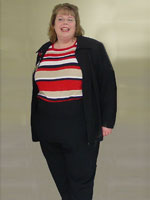
So Deborah took control. She put herself on a 1,500-calorie-a-day diet and lost 15 pounds. Then she hired a personal trainer. With literally half her body to lose, Deborah and her trainer put together a 1,200-calorie diet. Over the next nine months, she worked up to power-walking a half-marathon and competing in endurance-cycling events—her new love.
In one year, Deborah reached her goal of 150 pounds and a size 6. And she celebrated by shopping for a two-piece bathing suit for the first time. “It was an absolute blast,” she says. “I’ve actually got a bikini-ready body!” What’s more, Deborah adds, she’s at peace in her own skin: “I feel like the real Deb is back!”
BEFOR NOW
Pounds: 320 150
Size: 32 6
Total lost: 170

Her gift Raleigh Bicycles is giving Deborah a 2009 Raleigh Supercourse Road Bike ($1,740), so she can keep biking for a long time to come. Congrats!
Sweet tooth? No problem! Deborah couldn’t give up dessert altogether. (Who would?!) So she swapped crazy-high-calorie treats for lighter options. Her favorite: South Beach Living Oatmeal Chocolate Chunk Cookies. “Each one is packed with chocolate chips, and they’re prepackaged by two so you’re not tempted to overdo it,” Deborah says.
Try this motivating mantraWhen faced with temptation, Deborah reminds herself “healthy people do not eat that” to help her stay on track. She found this tip and others in the book The Art of Possibility: Transforming Professional and Personal Life by Rosamund Stone Zander and Benjamin Zander.

How One Woman Found a Workout She Loves and Lost 125 lbs


Tracie Creasy, 30 of Vinton, Virginia discovered the number-one secret to lasting weight loss: a workout she loves.
My wake-up call?The day I realized I was one size away from the largest clothes that Lane Bryant sells. I couldn’t help but think, If I get any bigger, what am I going to fit into?

Before
That was August 2006. I cut out soda immediately, but it wasn’t until that November that I got the nerve to step on a scale (after years of ignoring my weight)—I was 293 pounds. I knew I needed to do some­thing drastic, so I signed up for every water-aerobics class offered at my gym. As for my diet, I decided to just do two things: shrink my portions and cut out fast food.
Soon, I started to feel better (no more achy knees!), so I began walking, cycling, and lifting weights. By July 2008, I had dropped 125 pounds. When I started losing, my goal was just to feel better. Now, I feel like I can really live!
Before
Now
Pounds:
293
168
Size:
24/26
8/10
Total lost:
125
Timeline to Slim
293 lbs-Nov. 2006-Started with water aerobics
273 lbs-Dec. 2006-Lost 20 lbs and one dress size in six weeks. Yay!
216 lbs-Sept. 2007-Walked my first 5K
199 lbs-Dec. 2007-There was a 1 on the scale—a 1!
168 lbs-July 2008–now-Total weight loss: 125 lbs
Her gift:Since reaching her goal, Tracie’s become a certified group-fitness instructor. Now that she’s helping other women get fit.

Lose 10 Pounds and Never Feel Hungry


Breakfast: Who’s got time? And if you have a crazy schedule, lunch is a light grab, while dinner’s your one big helping of comfort. But recent research may convince you to flip allthat around: Front-loading your day’s calories so that you eat more food—especially more lean protein—earlier in the day will help you drop pounds and feel full all day long, according to a Purdue University study.


Our plan makes it easy to eat this way. Pick one of our options for breakfast, lunch, dinner, and snack each day—it’s designed so you eat most of your calories by noon.
You won’t get hungry, and, best of all, when you stick to it for four weeks, you’ll drop 10 pounds.
Power breakfastsAbout 500 calories each (pick one each day)
English muffin with jam and half of Make-ahead Turkey Sausage and Mushroom Frittata (shown at right): Whisk 2 eggs and 4 egg whites with 1 tablespoon low-fat milk and salt and pepper to taste; set aside. In a 6-inch pan, sauté 2 teaspoons olive oil, 4 ounces turkey sausage, 1⁄2 cup sliced mushrooms, and 1⁄3 cup red peppers until cooked through. Pour eggs over mixture; swirl pan to distribute eggs evenly. Once eggs are set, slide frittata out of skillet; serve. Wrap leftovers and store in refrigerator. Reheat in microwave for 1 minute. (Makes 2 servings.) Enjoy up to 1⁄2 frittata with 1 whole-wheat English muffin and 2 teaspoons all-natural fruit preserves (like Polaner All Fruit 100% All Natural Fruit Spread). 470 calories
Starbucks Protein Plate with Peanut Butter: Enjoy it with a Tall Skinny Caffé Latte. 470 calories
Orange juice with Smoked Salmon Roll-Up: Spread 2 tablespoons reduced-fat cream cheese on a multigrain wrap (such as Ezekiel Food for Life). Add 4 ounces smoked salmon and some diced tomato. Enjoy with 8 ounces orange juice. 520 calories
Dunkin Donuts Egg White Veggie Flatbread Sandwich: Have it with a banana and 8 ounces skim milk. 480 calories
Amy’s Organic Steel-Cut Oats Hot Cereal Bowl: Top it with 1⁄3 cup chopped almonds, 2 tablespoons raisins, and a sprinkle of cinnamon. 490 calories

Diet & Weight Loss


You can’t walk into a grocery store without seeing bolded claims adorning every box, package, and wrapper in the store. Low fat! High fiber! Smart choices! Though Nutrition Facts labels don’t lie, it’s easy to get distracted by these misleading claims.
But just as your head is beginning to spin, there are several new nutrition labeling programs—some on packages, some on shelves—that are trying to address the need for simple nutrition information and direction. Do any of these help you if you’re trying to lose weight? Maybe, but whether you’re counting calories, carbs, fat, or fiber, I think it’s important to rely on the good ol’ Nutrition Facts panel and the ingredients list. Here’s a quick and dirty take on some of the new programs:
Smart Choices
Pros:
A big green can’t-miss-it check marks the packages of healthier foods.
Cons:
Debatable criteriaThough a lot of experts weighed in on the program, several major food companies helped fund the program and companies pay to be involved. Low-calorie foods that are void of nutritional value (like Froot Loops) are receiving check marks, and consumers aren’t fooled. The Smart Choices website defends the Froot Loops inclusion by claiming “pre-sweetened cereals have been demonstrated to be a good source of vitamins and minerals for children,” but the program has drawn criticism from Forbes, The New York Times, and Nightline.
Too much emphasis on caloriesCalories and servings per package are the only numbers beneath the check. But as most of you dieters know, calories alone aren’t everything. A serving of Mueslix has 90 more calories than a serving of Froot Loops, but a lot of people would argue that that doesn’t necessarily mean the Froot Loops are healthier.
Not all products are includedBecause companies pay to get into the Smart Choices program, it doesn’t evaluate every single product in the store. For example, a serving of Bob’s Red Mill Old Country Style Muesli gives you an equal amount of fiber as check-marked Kellogg’s Mueslix, with no added sugar or high-fructose corn syrup, but isn’t in the Smart Choices program.
One check for all Kellogg’s Mueslix has more fiber, protein, and B-vitamins than Froot Loops, but they have the same green check on the box. A product could barely meet the criteria or be a superfood and you’d never know the difference.